Ritalin (methylphenidate) is one of the most widely used ADHD medications in the world, used since the 1950s to treat hyperactivity and attention deficit disorder. However, there are many questions surrounding its correct usage, side effects, and long-term effects. In this article, we have compiled 25 frequently asked questions with precise answers.
Basic Questions About Ritalin
Basic Questions and Mechanism of Action
How does Ritalin work?
Ritalin (methylphenidate) works by blocking the reuptake transporters of dopamine and norepinephrine in the synaptic clefts of the brain. This increases the concentration of these two neurotransmitters in the synapse. In the brains of individuals with ADHD, the prefrontal circuits (responsible for focus, impulse control, and planning) are underactive. Ritalin enhances these circuits by increasing dopamine, leading to improved focus, reduced hyperactivity, and better impulse control.
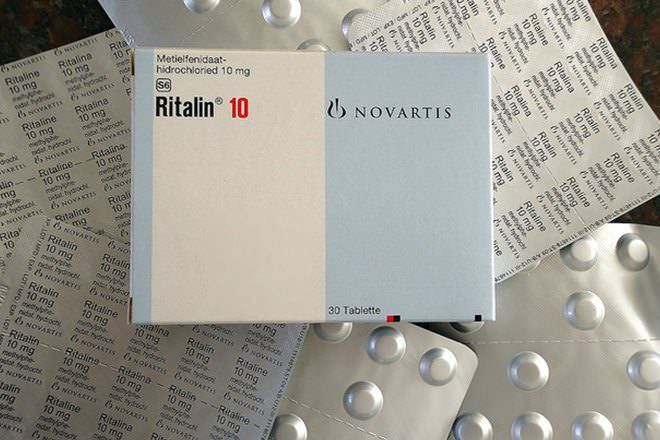
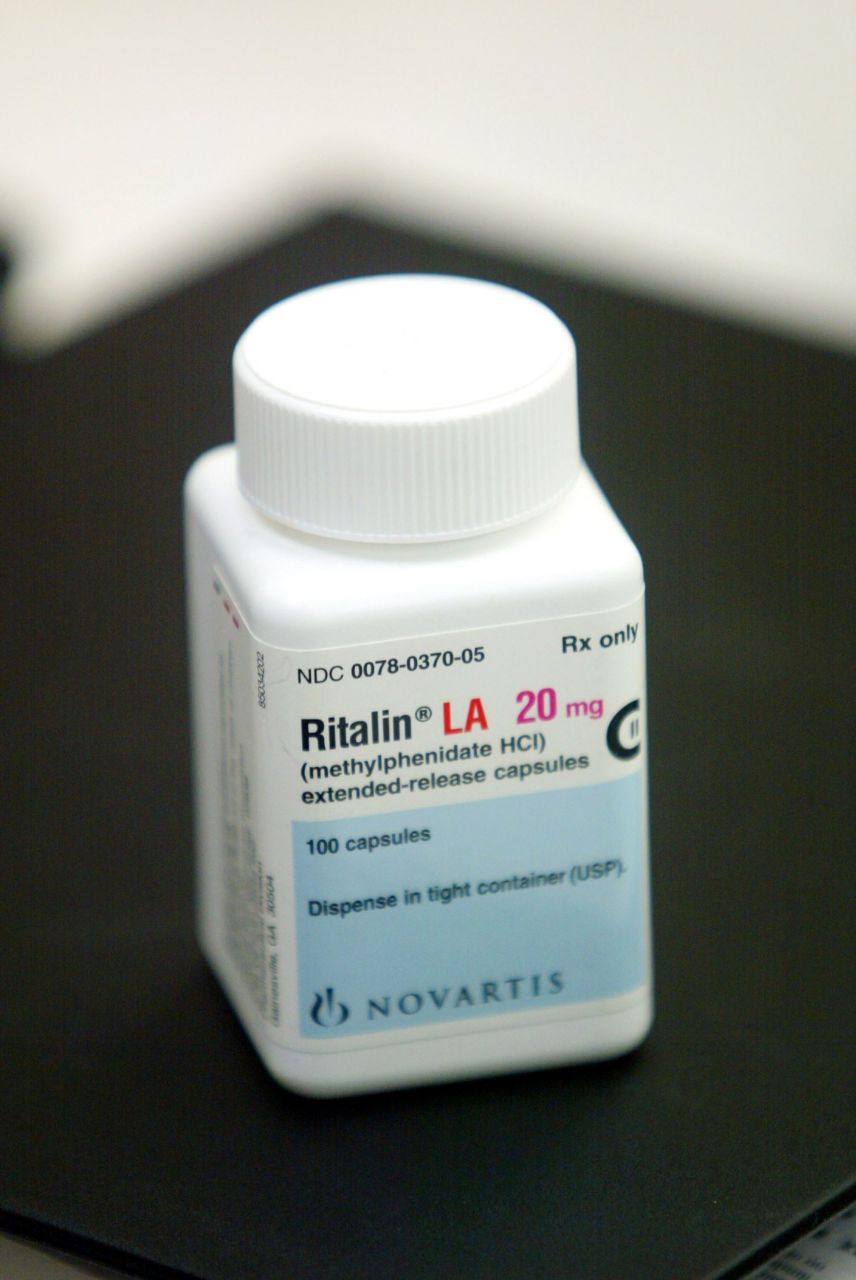
What is the difference between Ritalin IR and LA?
Ritalin IR (Immediate Release) is a regular tablet that starts working within 30 minutes, peaks in 1-2 hours, and its effect lasts 4-6 hours. Ritalin LA (Long Acting) is an extended-release capsule that releases 50% of the dose immediately and 50% as a delayed dose 4 hours later, with a duration of effect of 8-10 hours. LA is more suitable for school-age children as it eliminates the need for a midday dose at school.
What time of day should I take Ritalin?
In the morning, with or after breakfast. For the IR form, if you need coverage in the afternoon, the second dose should be taken no later than 12-1 PM. Never take it late in the afternoon or at night — it causes sleep disturbances. The drug's effect should have worn off at least 6 hours before bedtime.
Is Ritalin addictive?
At therapeutic doses and with oral administration, the potential for addiction is very low. However, like all CNS stimulants, abuse (especially injection or inhalation) carries a high risk of addiction. Contrary to popular belief, ADHD patients who take Ritalin actually have a lower risk of substance abuse compared to untreated patients.
Does Ritalin slow children's growth?
Long-term studies show that Ritalin may cause a slight reduction in growth rate (about 1-2 cm) in the first few years, but final adult height is usually not affected. Doctors should monitor the child's height/weight every 6 months. In concerning cases, a drug holiday during the summer may be recommended.
Is Ritalin also prescribed to adults?
Yes — adult ADHD is a recognized disorder, and Ritalin is its first-line treatment. In adults, symptoms are different: less motor hyperactivity, more inattention, time management problems, and forgetfulness. Adult doses are often higher than those for children.
Should I combine coffee and energy drinks with Ritalin or not?
Caffeine is a stimulant and enhances the effect of Ritalin. Combining them can increase heart rate, blood pressure, and anxiety. Some ADHD patients feel that a weak cup of coffee at noon helps, but energy drinks with high doses of caffeine should be completely avoided.
What should I do if I forget a dose?
If you remember before 12 PM, take the missed dose. If you remember in the afternoon, skip that dose and do not take it at night. Do not take two doses together.
Questions About Side Effects
Questions About Side Effects and Safety
What are the most common side effects of Ritalin?
The most common side effects are: decreased appetite (usually in the morning and afternoon), difficulty sleeping if taken late, mild headache, dry mouth, and in some people, anxiety. These side effects are often more common in the first weeks and improve with continued use. Decreased appetite is managed by eating a good breakfast before the medication and a proper dinner.
Does Ritalin damage the heart?
Ritalin slightly increases heart rate and blood pressure (an average of 3-4 beats/minute and 2-4 mmHg). In people with a healthy heart, this effect is not clinically significant. However, for patients with structural heart disease, arrhythmia, or uncontrolled high blood pressure, a full cardiac evaluation should be performed before starting.
Does Ritalin cause depression?
Ritalin itself does not directly cause depression, but the afternoon "crash" (when the medication wears off) can cause feelings of fatigue, irritability, or malaise. This phenomenon is managed by dose adjustment. If you experience real depression during treatment, talk to your doctor as it may be a co-occurring condition.
Can Ritalin be taken with antidepressants?
It depends on the type of antidepressant. It is usually combinable with SSRIs (fluoxetine, sertraline) but may enhance the effect of Ritalin via CYP2D6. It is absolutely contraindicated with MAOIs. Always inform your doctor about both medications.
Is Ritalin useful for improving performance in students without ADHD?
In individuals without ADHD, Ritalin may improve short-term concentration but actually reduces creative thinking and cognitive flexibility. Furthermore, use without a prescription is illegal in most countries and carries side effects without therapeutic benefit. This use is not medically or ethically appropriate.
Practical and Storage Questions
Practical Questions
Where should I store Ritalin?
Room temperature (below 25°C), away from moisture and direct light. Keep out of reach of children — Ritalin is a controlled substance. In Iran, storing an excess amount of Ritalin without a valid prescription can cause legal problems.
Can Ritalin be taken during Ramadan?
Taking a pill does not break the fast, but planning is required. Options: take the pill at Suhoor and then a second dose a little later during hours when you are quieter, or use the LA formulation. Consult your doctor for proper adjustment.
Does Ritalin interact with vitamin C?
Yes — vitamin C (ascorbic acid) and sour juices reduce the absorption of Ritalin. Avoid consuming orange juice, lemonades, or vitamin C supplements simultaneously with Ritalin. Allow at least a one-hour gap.
Ritalin (methylphenidate) is a CNS stimulant that works by inhibiting the reuptake of dopamine and norepinephrine in the synaptic cleft. In the brains of individuals with ADHD, these neurotransmitters are not sufficiently active in the attention control circuit (especially the prefrontal cortex). Ritalin compensates for this deficiency and improves concentration.
ADHD is a real, neurobiological disorder — not laziness or an excuse. MRI imaging has shown that the brains of individuals with ADHD are smaller or have different activity in some areas (prefrontal cortex, caudate nucleus, cerebellum). Genetics play a major role — if parents have ADHD, the risk in children increases 5 to 10 times.
Who should not take Ritalin: Severe heart disease or congenital arrhythmia, uncontrolled high blood pressure, glaucoma, severe and untreated anxiety, history of psychosis, concurrent use of MAO inhibitors (such as phenelzine), and known allergy to methylphenidate. Individuals with motor tics should use with caution as Ritalin may exacerbate tics.
Common side effects of Ritalin: Decreased appetite (peak 2 to 4 hours after administration), sleep problems if taken late, headache, nausea, mild heart palpitations. These side effects are often manageable by adjusting the dose and timing. Rebound effects — irritability when the drug wears off — are less common with extended-release formulations.
Ritalin misuse: Common among students without ADHD who use it for focus. However, for individuals without ADHD, the focus-enhancing effect is much less than perceived, and there are cardiovascular and psychiatric risks. Physical dependence at therapeutic doses is low, but psychological dependence may occur. In Iran, Ritalin is classified as a controlled narcotic drug and is illegal without a prescription.
Ritalin and sleep: If the last daily dose is taken before 2 PM, it does not significantly affect sleep. But some patients have difficulty falling asleep even with morning dosing. Solutions: "Drug holidays" on weekends (with doctor's approval), sleep hygiene, low-dose melatonin before bed. Improving sleep itself improves ADHD symptoms the next day.
Ritalin in adults: ADHD is not a childhood disorder — 60% of children with ADHD carry symptoms into adulthood. In adults, symptoms are more inattention than hyperactivity. Ritalin is equally effective in adults. However, adults are more likely to experience cardiac effects (increased blood pressure and pulse) — a check-up should be done before starting.
Ritalin IR vs. ER: IR (immediate-release) lasts 4 to 6 hours — twice daily. ER/XR (extended-release) lasts 8 to 12 hours — once daily. The ER form is easier once a day for forgetful patients (child or adult with ADHD!) and has a more consistent effect. The IR form is useful for patients who need dosing flexibility.
Measuring treatment response: Criteria for evaluating Ritalin's effect include ADHD questionnaires (Conners, ASRS), teacher/parent reports in children, academic or occupational performance, and patient self-report. A successful patient should see real improvement in daily functioning — not just a lower questionnaire score. The doctor should assess both side effects and benefits at each visit.
Diet and ADHD: There is evidence that simple sugars, artificial food colors, and low omega-3 can influence ADHD symptoms. One study showed that a 3-week elimination diet led to significant improvement in 33% of children with ADHD. This approach is not a substitute for medication but can be helpful.
Ritalin and creativity: A common concern is that Ritalin reduces creativity — the reality is more complex. In individuals with ADHD, the medication improves focus, enhancing the ability to complete creative projects. In individuals without ADHD, some studies show reduced divergent thinking. For artists with ADHD, the medication is usually helpful, not harmful.
ADHD and comorbid anxiety: Over 50% of children and adults with ADHD have a comorbid anxiety disorder. This combination is challenging because stimulants may exacerbate anxiety. Treatment is usually combined: first control anxiety (SSRI or CBT), then add Ritalin at a low dose. Strattera (atomoxetine) is a more suitable alternative in these patients as it is not a stimulant.
Ritalin and emotional management: Emotional dysregulation is a lesser-known component of ADHD — the patient experiences more intense anger or frustration than others. Ritalin also improves this aspect to some extent. However, behavioral therapy for managing intense emotions is essential — medication alone is not enough. ADHD support groups for adults are also beneficial.
Important questions before starting Ritalin: Has the ADHD diagnosis been confirmed by a specialist? Is there any heart disease, high blood pressure, or hyperthyroidism? Is there a history of psychosis or bipolar disorder? Is there use of other medications (especially MAOIs)? Have the parents/patient been educated about the benefits and risks? Honest answers to these questions help the doctor make the right decision.
Long-term success with Ritalin: Stimulant medication is a tool — not a definitive cure. Patients who achieve the best results are those who, in addition to medication, also learn organization skills, time management, and emotional regulation. Families should understand that success means a child or adult who has been able to build skills — not someone who is forever dependent on medication. The ultimate goal is maximum independence with minimal medication dependence.
Ritalin and parent education: Parent Training is one of the most effective non-pharmacological interventions for childhood ADHD. Parents who learn how to cope with ADHD behaviors have better family relationships and their children achieve better outcomes. This training is available from child psychologists at ADHD clinics or online. Combining Ritalin and parent training is the strongest therapeutic approach.
Social acceptance of ADHD in Iran: Unfortunately in Iran, ADHD is still often interpreted as a "naughty child" or "irresponsible parents" — not a neurodevelopmental disorder. This social stigma prevents families from taking treatment seriously. Changing this attitude begins with educating teachers, psychiatrists, and the media. Families with an ADHD child should not be ashamed — timely treatment saves a child from lifelong difficulties.
Sources and References
- U.S. Food and Drug Administration (FDA) — Official drug label and safety warnings
- UK National Institute for Health and Care Excellence (NICE) — Clinical guidelines
- UpToDate — Evidence-based clinical review
- American Psychiatric Association (APA) — Treatment guide for mental disorders