Xanax (alprazolam) is a short-acting benzodiazepine prescribed for the treatment of acute anxiety, panic attacks, and sometimes insomnia. Despite its rapid effectiveness, the risk of dependence and misuse of this drug is high. A proper understanding of how to take it, its limitations, and the safe method of discontinuation is essential for any patient prescribed this medication.
Xanax Dosing
Alprazolam Dosing Table
- 1StageBase anxiety doseDose0.25 mgDuration8-12 hoursNoteElderly and sensitive patients — start with the lowest dose
- 2StageModerate doseDose0.5 mgDurationThree times a dayNoteCommon dose for generalized anxiety
- 3StagePanic disorder treatment doseDose1 mgDurationThree times a dayNoteTypical maximum 4 mg/day
- 4StageHigh dose (specialized)Dose1.5-2 mgDurationThree times dailyNoteOnly under specialist supervision
Risk of Dependence and Xanax Discontinuation
Physical dependence symptoms usually appear after daily use for more than 4 weeks. Standard discontinuation protocol: reduce the dose by 10% every 1-2 weeks or switch to diazepam with a longer half-life.
Important Xanax Drug Interactions
| Substance | Type of Interaction | Risk |
|---|---|---|
| Alcohol | Enhanced CNS depression | Risk of death — Absolutely contraindicated |
| Opioids (Tramadol/Codeine) | Severe respiratory depression | Avoid or intensive monitoring |
| Fluoxetine/Fluvoxamine | Increased alprazolam levels | Dose reduction may be necessary |
| Ketoconazole/Itraconazole | Reduced metabolism | Blood levels may become dangerously high |
| Antihistamines | Enhanced sedative effect | Caution — Driving prohibited |
Frequently Asked Questions About Xanax
Common Questions
Should I take Xanax for sleep?
Xanax is not approved for insomnia and long-term use for sleep is not recommended. For insomnia, CBT-I (Cognitive Behavioral Therapy for Insomnia) and, if needed, zolpidem are better options.
Can I drive while taking Xanax?
No. Alprazolam slows reflexes and reduces concentration. Driving is prohibited for up to 6 hours after taking it.
For how many weeks can Xanax be taken?
Clinical guidelines do not recommend continuous use for more than 4-8 weeks. Beyond this period, the risk of physical dependence increases significantly.
How long does it take for Xanax to work?
The effect of Xanax is usually felt 30-60 minutes after ingestion. The sublingual (SL) form is absorbed slightly faster.
Benzodiazepine mechanism — The key to understanding the risks: Alprazolam enhances the inhibitory effect of GABA by binding to the GABA-A receptor — more chloride enters the neuron and the neuron calms down. This mechanism produces sedation, anxiolytic, anticonvulsant, and muscle relaxant effects. With repeated use, the brain adapts by reducing the number of GABA-A receptors — this is the physiological basis of dependence.
Acute vs. chronic anxiety — Different strategies: For acute anxiety (pre-surgery, flying, crisis reaction): Xanax is a suitable option — one or two doses. For chronic anxiety (GAD, social anxiety): Xanax is not suitable. SSRIs + CBT are the standard treatment for chronic anxiety. Daily use of Xanax for chronic anxiety means wrong treatment — it does not solve the problem but makes it more complicated.
Panic attacks — Xanax vs. SSRIs: During a panic attack, Xanax can stop the attack within 15 minutes. But for preventing future attacks, SSRIs (especially paroxetine, sertraline, escitalopram) along with CBT are the gold standard. Patients sometimes keep Xanax as a "rescue medication," but its routine use for panic should be discontinued.
Gradual discontinuation of Xanax — Precise protocol: Abrupt discontinuation can cause seizures, psychosis, and even death (at high doses). Standard Ashton protocol: First, switch to diazepam (longer half-life), then reduce by 5 to 10 percent every two weeks. Rapid reduction (more than 10% per week) may cause severe withdrawal symptoms. This process can take 6 to 18 months.
Benzodiazepine withdrawal syndrome — What to expect: Early symptoms (1 to 4 days): Rebound anxiety, insomnia, sweating, tremor. Mid-stage symptoms (2 to 4 weeks): Severe anxiety, sensitivity to light and sound, feeling of "pins and needles" on the skin, depression. Chronic post-withdrawal symptoms (months): This is called "PAWS" and includes intermittent anxiety, memory problems, and insomnia. CBT-I is helpful at this stage.
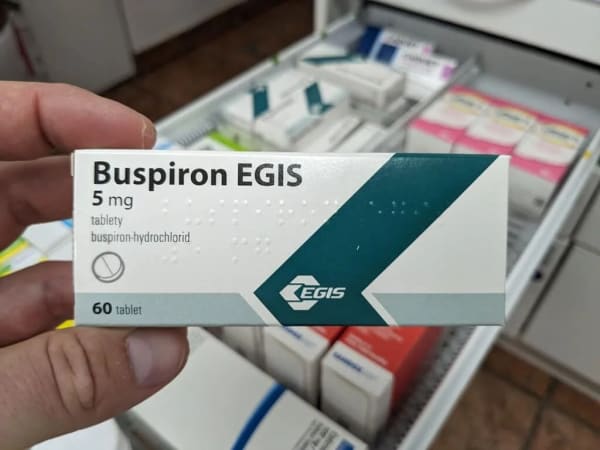
Buspirone — A Non-Addictive Alternative for Anxiety: Buspirone (Buspar) is a partial agonist of the 5-HT1A receptor. It is effective for GAD without a history of benzodiazepine use. Advantages: no dependence, no cognitive impact, no sedation. Disadvantages: it takes 2 to 4 weeks to take effect (like SSRIs), and those who have previously taken benzodiazepines often do not feel it is 'effective enough'. It is less known in Iran.
Pregabalin (Lyrica) for Anxiety — Another Alternative: Pregabalin is not FDA-approved for GAD but is approved in Europe (EMA). Its effect is faster than SSRIs (1 to 2 weeks) and less than benzodiazepines. No effect on memory and concentration. Risk of dependence is lower than benzodiazepines but higher than SSRIs. A suitable option for patients who cannot tolerate SSRIs or want to replace benzodiazepines.
Social Anxiety — Specialized Treatment: Social Anxiety Disorder (SAD) is different from natural shyness. Standard treatment: SSRI (paroxetine, sertraline) + CBT. Beta-blockers (propranolol) are useful for specific situations (speeches, concerts). Xanax is not suitable for chronic social anxiety — it causes dependence and, worse, prevents the patient from confronting social situations.
Anxiety and Sleep Deprivation — A Vicious Cycle: Sleep deprivation exacerbates anxiety and anxiety disrupts sleep. Xanax may break this cycle short-term but is not a solution. CBT-I (Cognitive Behavioral Therapy for Insomnia) is the best long-term treatment. Breathing exercises (4-7-8 breathing), sleep hygiene, and low-dose melatonin are effective non-drug options.
Xanax and Alcohol — A Deadly Risk: Both are CNS depressants — their effects on the respiratory system are additive. This combination, at doses that are safe individually, can stop breathing. Death from benzodiazepine + alcohol combination is common worldwide. Xanax should not be prescribed to patients who consume alcohol.
EMDR — A Powerful Treatment for PTSD and Anxiety: EMDR (Eye Movement Desensitization and Reprocessing) is a psychotherapy method recommended by WHO for PTSD. It is also effective for chronic anxiety resulting from trauma. Contrary to popular belief, it does not require years of treatment — most patients see significant change in 8 to 12 sessions. The number of EMDR specialists in Iran is increasing.
Other Benzodiazepines vs. Xanax: Diazepam (Valium) has a longer half-life (20 to 100 hours) — suitable for alcohol withdrawal and seizures. Lorazepam (Ativan) has a medium half-life (10 to 15 hours) — for situational anxiety. Clonazepam (Rivotril) has a longer half-life — for anxiety and some epilepsies. Alprazolam (Xanax) has the shortest half-life — for this reason, it is the most dependence-forming.
Anxiety Caused by Physical Illness — An Important Distinction: Hyperthyroidism, pheochromocytoma, hypoglycemia, cardiac arrhythmia, and some medications (caffeine, steroids, beta agonists) can all cause anxiety. Before diagnosing an anxiety disorder, physical causes must be ruled out. A CBC, TSH, blood sugar, and ECG are the first steps. Treating the underlying cause often resolves the anxiety.
Xanax in Iran — Access Status: Xanax (alprazolam) is a controlled substance and in Iran can only be obtained with a specific psychiatric prescription. Pharmaup provides Iranian patients who need a reputable foreign brand with the possibility of supplying genuine Xanax with a verified prescription. Buying without a prescription from unofficial sources is dangerous — the drug may be counterfeit or have the wrong dosage.
Conclusion — Xanax: A Short-Term Tool, Not a Solution: Xanax is a valuable drug for acute anxiety and emergency cases. However, severe withdrawal syndrome, physical dependence, and impact on memory and cognition make it unsuitable for long-term use. SSRI + CBT are better, safer, and more effective for chronic anxiety. If you are taking Xanax, talk to your doctor about a gradual discontinuation plan.
Benzodiazepines and Alzheimer's – Concerning Evidence: Several large epidemiological studies have shown that long-term use of benzodiazepines is associated with an increased risk of dementia (including Alzheimer's) in the elderly. Although a definitive causal relationship has not been proven, caution is justified. In individuals over 65, benzodiazepine use should be minimized. The American Beers Criteria lists these drugs as "potentially inappropriate medications" for the elderly.
Xanax and Scary Memories – Impairing Memory Consolidation: Benzodiazepines have an interesting effect: taking them immediately after a traumatic event may prevent the consolidation of the fearful memory. This is a "double-edged sword" – on one hand, it might prevent PTSD, but on the other, it prevents the brain from processing the trauma response normally. Research indicates that prophylactic use of Xanax immediately after trauma may worsen PTSD in the long term.
Natural Alternatives for Anxiety – Do They Work: Valerian root extract has limited evidence for mild anxiety but is safe. Kava-kava is a stronger natural anti-anxiety agent but carries a risk of liver damage. CBD (cannabidiol) has been effective for social anxiety in some studies but is not legal in Iran. Magnesium and vitamin B6 deficiencies can exacerbate anxiety. These supplements are not replacements for primary treatment but can be useful alongside it.
Hypnotherapy and NLP for Anxiety – Clinical Evidence: Hypnotherapy (hypnosis therapy) has reasonable evidence for some types of anxiety, including fear of flying and dental phobia. NLP (Neuro-Linguistic Programming) has less efficacy and more limited scientific evidence. Mindfulness-based therapies (MBSR – Mindfulness-Based Stress Reduction) have strong evidence for chronic anxiety. These approaches yield the best results when combined with drug therapy.
Anxiety After COVID-19 (Long COVID Anxiety): Many patients report chronic anxiety after COVID-19. Proposed mechanisms: neuroinflammation, HPA (hypothalamic-pituitary-adrenal) axis dysfunction, and psychological trauma from the severe illness experience. Treatment is similar to typical anxiety – SSRI + CBT. Some Long COVID patients respond better to anti-inflammatories. This area is under active research.
Returning to Xanax Use After Quitting – Why It's Difficult: The brain may remain in a state of "increased sensitivity" for months after discontinuing benzodiazepines. During this period, any stress feels more intense. Patients sometimes feel they need to restart the medication. But this stage is temporary – it can be navigated with psychotherapist support and CBT. Restarting Xanax at this stage is often a mistake – it brings the problem back rather than solving it.
Sleep Hygiene – The Foundation Xanax Doesn't Replace: Many patients resort to Xanax for insomnia, but sleep hygiene is a more structured and sustainable therapy. Principles of sleep hygiene: consistent sleep and wake times every day, even on weekends; room temperature 18 to 20 degrees Celsius; eliminate blue light 2 hours before bed; no caffeine after 2 PM; and use the bed only for sleep. CBT-I (Cognitive Behavioral Therapy for Insomnia), which structures these principles, works better than any sleep medication in the long run.
Benzodiazepines and Driving in Iran – A Public Hazard: In Iran, driving while on Xanax or other benzodiazepines is more common than statistics show. These drugs slow reaction time, having an effect similar to alcohol consumption. Iranian traffic law prohibits driving under the influence of narcotic drugs. If you take Xanax and need to drive, talk to your doctor about the timing of your medication.
Cognitive testing for long-term benzodiazepine patients: If you have been taking Xanax for months or years, a cognitive test (such as MMSE or MoCA) can indicate whether the cognitive effects of the medication have become problematic. Many patients report "brain fog" — reduced concentration, difficulty recalling information, and mental slowness. These symptoms often improve after gradual discontinuation. Testing before starting a taper can provide a baseline for comparing progress.
The role of family in quitting Xanax — social support is essential: Quitting benzodiazepines requires family support. Family members should understand that withdrawal symptoms like anxiety, irritability, and insomnia are "real" and not accuse the patient of having a weak will. A calm environment, regular routines, and reducing stressors are very important during the withdrawal period. Online support groups for quitting benzodiazepines (like BenzoBuddies) are also available in a limited capacity in Persian.
Managing anxiety without medication — practical approaches: In addition to CBT, basic techniques like diaphragmatic breathing (4-7-8), yoga, mindfulness meditation, and regular exercise are effective for anxiety. Apps like Headspace, Calm, and their Persian versions make mindfulness techniques accessible. These approaches require regular practice — their effect is not immediate like chemical drugs but is deeper in the long term. Combining these techniques with SSRIs has shown the best results in clinical research. Regular planning and perseverance in practicing these skills are the key to success in non-pharmacological anxiety treatment.
Sources and References
- World Health Organization (WHO) — Pharmaceutical guidelines and Essential Medicines List